



Recovery is just as important as training for athletes. Whether you’re a professional or just starting a fitness routine, your muscles need time to heal after intense workouts. Using the right recovery tools for athletes can help reduce soreness, prevent injuries, improve flexibility, and speed up muscle repair.
From foam rollers and massage guns to compression gear and cold/heat therapy, recovery tools make it easier to take care of your body and perform at your best. In this guide, we’ll explore the most effective recovery tools, how they work, and tips to choose the right ones for your training routine.
What Are Recovery Tools for Athletes?
Recovery tools for athletes are devices or equipment designed to help the body heal after intense training or competition. When athletes push their muscles during workouts, small microtears and fatigue can occur, leading to soreness, stiffness, and slower performance. Recovery tools help relax muscles, improve blood flow, and speed up healing.
These tools range from simple options like foam rollers, massage balls, and resistance bands to advanced devices like massage guns, compression sleeves, and recovery boots. No matter the type, all recovery tools share the same goal: to help athletes recover faster, reduce soreness, prevent injuries, and maintain peak performance.
Using recovery tools consistently allows athletes to train harder, recover smarter, and stay at the top of their game.
Benefits of Using Recovery Tools for Athletes
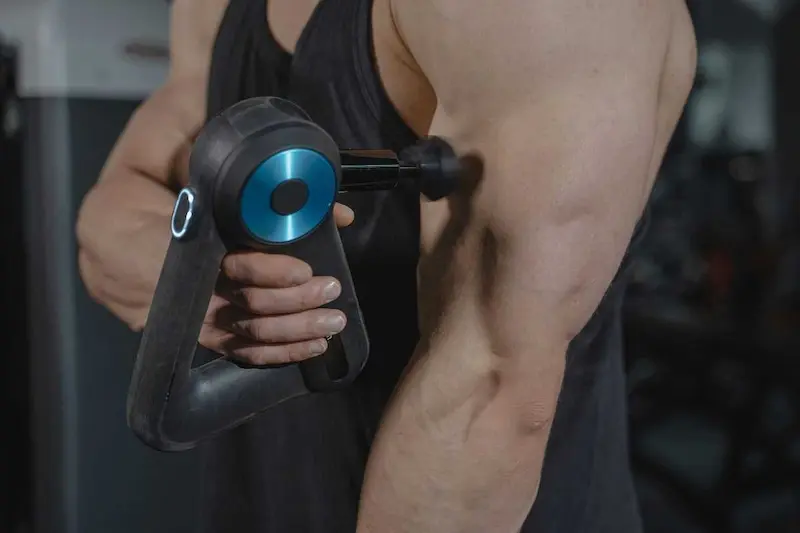
Using recovery tools provides athletes with many advantages that go beyond just reducing soreness. Here are the key benefits:
1. Reduces Muscle Soreness and Fatigue
Recovery tools help relax tight muscles, release tension, and reduce delayed onset muscle soreness (DOMS), allowing athletes to move comfortably after intense workouts.
2. Improves Blood Circulation
Better circulation delivers oxygen and nutrients to muscles, supporting faster healing and recovery. Tools like foam rollers, massage guns, and compression gear enhance blood flow efficiently.
3. Prevents Injuries
Tight or overworked muscles are prone to strains and injuries. Recovery tools help maintain flexibility and balance, reducing the risk of injury during training or competitions.
4. Speeds Up Recovery Time
Using recovery tools after workouts accelerates muscle repair, so athletes can train consistently without prolonged soreness or fatigue.
5. Enhances Flexibility and Mobility
Stretching bands, foam rollers, and massage balls improve range of motion and flexibility, making movements smoother and reducing stiffness.
6. Boosts Athletic Performance
When muscles recover properly, athletes can train harder, move more efficiently, and perform at their best. Less soreness and better mobility translate to improved results. recovery tools for athletes
7. Promotes Relaxation and Stress Relief
Massage-like recovery tools relax muscles and calm the nervous system, helping athletes recover mentally and physically. recovery tools for athletes
8. Supports Long-Term Training Consistency
Regular use of recovery tools keeps muscles healthy and reduces downtime, making it easier to stick to training schedules and achieve fitness goals.
Best Recovery Tools for Athletes (Beginner‑Friendly List)
Foam Rollers
- Foam rollers are classic, must‑have recovery tools — they help release muscle tightness, improve blood flow, and support myofascial release. Academy+2Barbour Orthopaedics & Spine+2
- Great for large muscle groups like legs, back, and hips; they help improve flexibility and range of motion after workouts. Recovery Systems+1
- For beginners: start with a soft or medium-density roller rather than an aggressive textured one, to avoid discomfort and ease into the process. Academy+1
Percussive Massage Guns (or Vibrating Rollers / Massagers)
- Massage guns (also called percussive massagers) help deliver deep, targeted muscle therapy — loosening tight muscles, improving circulation, and speeding recovery. myactive.world+2Men’s Journal+2
- They’re especially useful for hard-to-reach or deeply sore areas (like thighs, shoulders, calves) where regular rolling might not be enough. iRunFar+2Men’s Journal+2
- Many athletes appreciate their convenience: they’re portable, often easy to operate, and can be used at home or gym as part of cooldown or post-workout recovery. Men’s Journal+1
Massage Balls / Trigger‑Point Tools
- Massage balls (or small trigger-point tools) are ideal for pinpointing tight spots or muscle “knots,” especially in areas like glutes, shoulders, feet, or calves where a roller may be too broad. Lifepro+2Barbour Orthopaedics & Spine+2
- They’re compact, portable, and inexpensive — great as a first recovery tool to carry in your gym bag or use at home. Lifepro+1
Compression Gear (Sleeves, Socks, or Boots)
- Compression sleeves or boots help improve circulation and support muscles after intense workouts, reducing swelling or fatigue and aiding recovery. Sports Medicine Weekly By Dr. Brian Cole+2luxyq.com+2
- Especially helpful for athletes with heavy leg workloads (runners, cyclists, weightlifters), or for recovery after long, strenuous sessions. Sports Medicine Weekly By Dr. Brian Cole+1
- Because compression gear supports blood flow and helps flush out metabolic waste, it can reduce soreness and speed up muscle recovery when used properly. iLiveActive+1
Cold Therapy (Ice Packs / Cold Baths / Cryo Tools)
- Cold therapy helps reduce inflammation and muscle swelling after intense training or competition — an important method for recovery and preventing injuries. Barbour Orthopaedics & Spine+1
- Good for acute soreness, post‑workout inflammation, or after a hard training day where muscles feel swollen or very sore. Barbour Orthopaedics & Spine+1
Heat Therapy (Heating Pads / Warm Packs / Infrared Tools)
- Heat therapy can help relax tight muscles, improve blood flow, and ease stiffness — especially useful before stretching or light mobility work. Recovery Systems+1
- It can also be a soothing, recovery‑friendly addition on rest days to ease chronic muscle tension or joint stiffness. Recovery Systems+1
you may also like to read these posts;
Best Fitness Gadgets for Home to Maximize Your Workouts
Top Wearable Fitness Gadgets to Track Your Progress
Best Fitness Gadgets for Tracking Health and Progress
Best Fitness Gadgets 2026 to Upgrade Your Workouts
Top Fitness Gadgets for Workouts to Boost Performance
How to Choose the Right Recovery Tool
Choosing the right recovery tool can make a big difference in how quickly and effectively your muscles heal. Here’s a detailed guide to help you pick the best tool for your needs:
1. Consider Your Sport or Workout Type
Different sports and workouts stress different muscles. Runners and cyclists often need tools that focus on legs, like foam rollers, compression sleeves, or massage balls. Weightlifters and strength athletes may benefit more from tools targeting the back, shoulders, chest, and arms. If you do full-body workouts, a combination of tools may be best. recovery tools for athletes
2. Identify Sore or Tight Areas
Notice which muscles feel the tightest or most sore after training. Foam rollers and massage balls are excellent for releasing knots, while heat therapy works well for stiff muscles. Cold therapy is ideal for inflamed muscles or joints. Choosing tools specific to your sore areas ensures faster, more effective recovery. recovery tools for athletes
3. Beginner-Friendly vs Advanced Tools
If you’re just starting out, simple tools like foam rollers, massage balls, or resistance bands are easy to use and safe. As you become more familiar with recovery routines, you can incorporate advanced tools such as percussion massage guns, compression boots, or infrared devices. recovery tools for athletes
4. Ease of Use and Convenience
Some recovery tools are portable and simple to use anywhere, like massage balls, bands, or compact foam rollers. Others, such as recovery boots or large massage guns, may require more setup or space. Choose tools that fit your lifestyle and are convenient for daily use, whether at home, in the gym, or on the road. recovery tools for athletes
5. Budget Considerations
Recovery tools come in a wide price range. Affordable options like foam rollers, bands, or ice/heat packs are effective and beginner-friendly. High-end tools like percussion massagers or recovery boots are helpful for advanced athletes or frequent trainers but aren’t necessary to start a recovery routine. recovery tools for athletes
6. Your Recovery Goals
Think about what you want from your recovery tools. Do you need to reduce soreness, improve flexibility, enhance mobility, or speed up post-workout recovery? Matching the tool to your specific goal ensures you get the maximum benefit from your investment. recovery tools for athletes
7. Frequency of Use
How often you train affects which tools are best. Daily or intense training sessions may justify investing in durable, high-quality tools like massage guns or compression gear. If you train less frequently, beginner-friendly and affordable options are usually enough to support your recovery. recovery tools for athletes
8. Portability and Storage
Consider where you’ll use and store your tools. Compact and lightweight tools like bands or small massage balls are easy to carry in a gym bag. Larger devices, such as recovery boots or heavy percussion massagers, may be better suited for home use. Portability ensures you actually use your tools consistently. recovery tools for athletes
9. Safety and Comfort
Always choose tools that are safe for your body and easy to use without causing pain or injury. Start with tools that allow adjustable pressure or intensity settings, especially if you are a beginner or have sensitive muscles. recovery tools for athletes
10. Reviews and Recommendations
Look for tools recommended by athletes, trainers, or physiotherapists. Reviews and professional advice can help you identify tools that are effective, durable, and suitable for your specific needs. recovery tools for athletes
What are the best recovery tools for athletes?
Foam rollers, massage balls, percussion massage guns, compression sleeves, and cold/heat therapy packs are all highly effective. Beginners can start with simpler, affordable tools.
How often should athletes use recovery tools?
Most athletes can use recovery tools after every workout or at least 3–4 times per week. Tools like foam rollers or massage balls can be used daily, while percussion guns or advanced devices should be used for shorter sessions.
Can recovery tools replace stretching?
No. Recovery tools complement stretching. Tools help release muscle tension, while stretching improves flexibility, mobility, and overall range of motion.
Are massage guns safe for daily use?
Yes, if used properly. Avoid pressing on bones, joints, or injured areas. Start with gentle settings, and limit usage to 1–2 minutes per muscle group.
Conclusion
Recovery tools are essential for athletes of all levels who want to train smarter, prevent injuries, and improve performance. Whether you use foam rollers, massage balls, percussion massage guns, compression sleeves, or heat and cold therapy, the right tools help your muscles heal faster and stay flexible. Choosing tools based on your sport, sore areas, and recovery goals ensures the best results. By incorporating recovery tools consistently into your routine, you can reduce soreness, enhance performance, and maintain long-term training success.
