



Tracking your fitness progress is one of the easiest ways to stay motivated and achieve your health goals. Fitness gadgets for tracking make it simple to monitor daily activity, workouts, sleep, and recovery — all in real time. fitness gadgets for tracking
Whether you’re a beginner or an experienced athlete, these devices help you understand your body better, set achievable goals, and make smarter decisions about your workouts. In this guide, we’ll explore the top fitness gadgets for tracking, their benefits, and how to choose the right one to match your lifestyle and goals.
What Are Fitness Gadgets for Tracking?
Fitness gadgets for tracking are devices designed to monitor your activity, workouts, and overall health. They collect data such as steps taken, calories burned, heart rate, distance covered, sleep patterns, and recovery metrics.
These gadgets include smartwatches, fitness bands, heart rate monitors, GPS trackers, and sleep or recovery trackers. By providing real-time insights, they help you understand your performance, stay motivated, and make informed decisions to improve your fitness and health.
Benefits of Using Fitness Gadgets for Tracking
1. Monitor Daily Activity
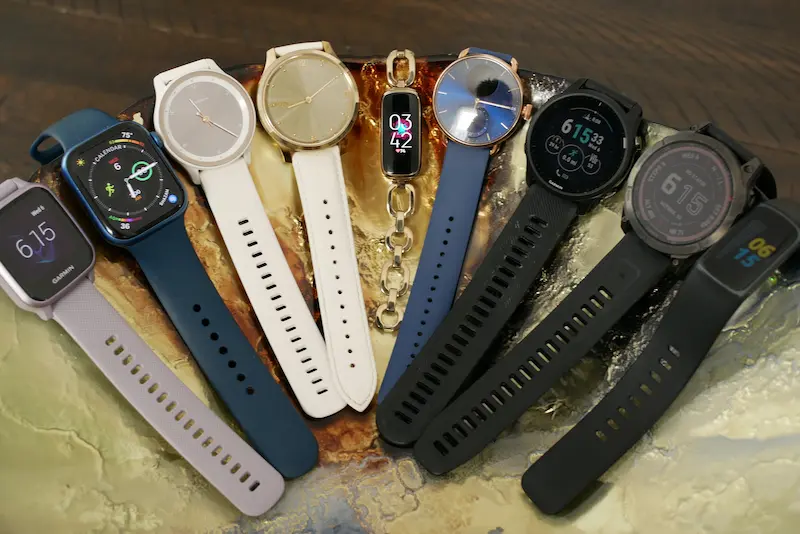
Fitness gadgets track steps, calories burned, distance walked or run, and active minutes. This helps you stay aware of your daily movement and encourages a more active lifestyle.
2. Track Heart Rate and Workout Intensity
Many devices provide real-time heart-rate monitoring, helping you exercise in the right intensity zones for fat burning, endurance, or strength training.
3. Sleep and Recovery Monitoring
Some gadgets track sleep duration and quality, resting heart rate, and recovery metrics. This helps you understand your rest patterns and optimize recovery for better performance.
4. Set Goals and Stay Motivated
Wearables allow you to set daily or weekly goals, send reminders, and celebrate achievements. This keeps you accountable and motivated to maintain a consistent fitness routine.
5. Improve Workout Efficiency
By analyzing data like calories burned, distance, pace, or reps, you can adjust your workouts to be more effective and avoid overtraining.
6. Long-Term Health Insights
Tracking data over weeks and months helps you identify patterns, monitor progress, and make informed decisions for long-term fitness and wellness.
7. Convenience and Portability
Wearable gadgets are lightweight and easy to wear, allowing you to track your fitness anytime — at home, the gym, or outdoors.
Top Fitness Gadgets for Tracking (Beginner‑Friendly List)
Fitness Trackers / Smartbands
These are lightweight wristbands or simple wearables that track daily activity — steps, calories burned, duration of movement, sometimes heart rate and sleep. They’re ideal if you’re just starting out and want to monitor how active you are, without complicated setup or a big budget. Basic trackers give you useful daily insight and help build healthy habits. TechRadar+2VERTU® Official Site+2
Smartwatches with Fitness & Tracking Features
Smartwatches combine fitness tracking with extra features: heart‑rate monitoring, workout tracking (runs, walks, workouts), sleep tracking, workout history, and often additional health metrics. Good for those who want comprehensive tracking — workouts + everyday activity + sleep + sometimes GPS data. Gadgets 360+2NGXP Tech+2
Heart‑Rate Monitor Wearables (Chest‑strap or Wrist‑Based)
For people doing cardio, HIIT, or structured workouts, devices that measure heart rate more accurately (especially chest‑strap monitors) help you track workout intensity, ensure you’re in the right zone, and monitor recovery. These are great if your goal is fat loss, endurance training, or improving cardiovascular health. techznea.net+1
Sleep & Recovery Trackers
Some gadgets or smart wearables specialize in tracking sleep quality, duration, recovery, rest periods, and general wellness metrics (like stress, sleep cycles). These help you understand how rest and recovery impact your performance and overall health — important if you care about long-term fitness, recovery, and wellbeing. NGXP Tech+1
GPS‑Enabled Trackers (for Running / Cycling / Outdoor Activity)
If you run, cycle, or exercise outdoors, trackers with built-in GPS give you data on distance, pace, route, and speed. This is more useful than just step‑tracking when doing running or outdoor workouts — helps track performance over time, map runs, and set goals for improvement. TechRadar+1
Hybrid / Multi‑Sport Tracking Devices
Some devices offer a mix: activity tracking, workout tracking, sleep, heart‑rate, GPS, multiple activity modes (running, walking, cycling, etc.). These are especially useful if you have a variety of workouts — cardio, walking, gym, outdoor runs — and want one device that adapts to all. NGXP Tech+2VERTU® Official Site+2
How to Choose the Right Fitness Gadget for Tracking
1. Decide What You Want to Track
- If you mostly want to track daily activity (steps, movement, general fitness), a basic tracker or fitness band may be enough
- If you also want workout data — heart rate, exercise intensity, distance, or GPS-based runs/walks — choose a gadget with sensors, GPS and activity mode support Runmefit+2store.runmefit.com+2
- If you care about sleep, recovery, or overall health trends — look for a gadget that includes sleep tracking, heart‑rate trends, recovery or wellness metrics Detechtors+1
2. Check Key Features: Sensors, Accuracy & Functionality
- Heart‑rate monitoring: Choose devices with reliable sensors — crucial if you do cardio, HIIT, or want to track intensity properly SmartBuy+1
- GPS / distance tracking: Important for runners, cyclists, or outdoor exercise — built‑in GPS (or support for GNSS systems) gives more accurate distance/pace info than phone-based tracking Pocket-lint+1
- Activity / workout modes: More modes (walking, running, cycling, strength, yoga etc.) → more useful, especially if you do different kinds of fitness activities Runmefit+1
- Sleep & recovery tracking: Useful if you want full wellness tracking (sleep quality, rest, recovery) — can help you optimize rest alongside workouts masrawysat+1
3. Consider Practical Factors: Battery, Comfort & Water‑Resistance
- Battery life: If you don’t want to charge daily, pick a tracker with long battery life. Smartwatches tend to consume more battery; simpler bands often last longer. My Mobile India+1
- Comfort & fit: Since you may wear it all day (and possibly during sleep), the gadget should be comfortable. A device that’s too bulky or heavy may discourage consistent use My Mobile India+1
- Water resistance / durability: Useful if you sweat a lot or do workouts outdoors/raining. It adds durability and gives flexibility to wear it everywhere MakeUseOf+1
4. Match Device to Your Budget and Lifestyle
- If you’re on a budget or just starting, basic trackers often give the main benefits — steps, activity, basic heart rate, maybe sleep tracking — enough to build healthy habits
- If you plan regular workouts, runs, or want detailed data, investing a bit more in a device with more features (GPS, advanced sensors, multi‑mode tracking) makes sense
- Consider how much you will actually use it — investing in premium features doesn’t make sense if you rarely exercise
5. Check Device Compatibility and App Support
- Ensure the gadget’s app works with your phone’s OS (Android/iOS) and that it syncs data properly NDTV Shopping+1
- A good companion app can make a big difference — offering trend tracking, insights, summaries, and motivational reminders BBB+1
6. Realistic Expectations — Not All Metrics Are Exactly Accurate
- Remember: most fitness trackers are not medical‑grade devices — they give estimates, not clinical measurements MakeUseOf+1
- Use data as a guide to support your fitness journey (motivation, trends, general tracking), not as an absolute measurement
you may also like to read these posts;
Best Fitness Gadgets for Home to Maximize Your Workouts
Top Wearable Fitness Gadgets to Track Your Progress
Best Fitness Gadgets 2026 to Upgrade Your Workouts
Top Fitness Gadgets for Workouts to Boost Performance
How to Use Fitness Gadgets for Tracking Effectively
1. Set Clear Fitness Goals
Before using a gadget, decide what you want to achieve — weight loss, endurance, strength, daily activity, or overall wellness. Clear goals help you use the data meaningfully.
2. Wear Your Gadget Consistently
For accurate tracking, wear your device throughout the day — during workouts, daily activity, and even sleep if it tracks rest. Consistency ensures complete data and better insights.
3. Sync Regularly with Apps
Most gadgets connect to apps on your phone. Sync daily or weekly to view trends, summaries, and progress over time. Apps often provide tips and visual charts to help understand your performance.
4. Monitor Key Metrics
Focus on the metrics that matter for your goals:
- Steps and active minutes for general activity fitness gadgets for tracking
- Heart rate for workout intensity fitness gadgets for tracking
- Calories burned to balance diet and exercise
- Sleep & recovery for overall wellness fitness gadgets for tracking
5. Adjust Workouts and Rest Based on Data
Use the insights from your gadget to make smarter decisions: increase activity if steps are low, adjust intensity based on heart rate, or prioritize rest and recovery when needed. fitness gadgets for tracking
6. Avoid Over-Reliance on Numbers
While data is helpful, it’s not perfect. Use it as a guide alongside listening to your body. Pay attention to energy levels, fatigue, and how you feel physically. fitness gadgets for tracking
7. Make Tracking a Habit
Consistency is key. Track daily activity, workouts, and recovery to build long-term fitness habits and see real progress over time. fitness gadgets for tracking
Extra Tips for Maximizing Fitness Tracking Gadgets
1. Keep Your Gadget Charged and Updated
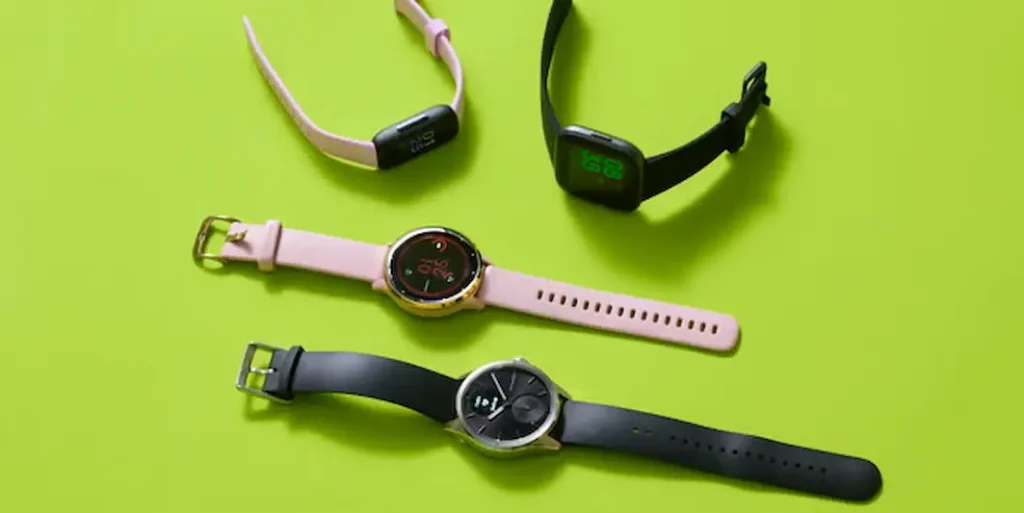
Regularly charge your device and install software updates. Updates often improve tracking accuracy, add new features, and fix bugs. fitness gadgets for tracking
2. Wear It Correctly
Ensure the gadget fits snugly but comfortably. Improper placement can affect heart rate readings and other metrics. fitness gadgets for tracking
3. Track Multiple Metrics
Use your gadget to track not just steps, but heart rate, sleep, workouts, and calories. Comprehensive tracking gives better insights into your overall health.
4. Use App Features Fully
Explore your companion app for trends, weekly summaries, challenges, or insights. Many apps provide motivational reminders, goal suggestions, and visual progress charts. fitness gadgets for tracking
5. Combine Devices if Needed
Some users combine a smartwatch for workouts with a simpler tracker for sleep. Using devices together can give a complete picture of your activity, recovery, and health. fitness gadgets for tracking
6. Set Realistic Goals
Avoid overambitious targets that may lead to burnout. Start with small, achievable milestones and gradually increase intensity or activity levels. fitness gadgets for tracking
7. Listen to Your Body
While data is valuable, it should complement how you feel physically. Use insights from your gadget alongside personal experience — rest when fatigued, adjust workouts as needed. fitness gadgets for tracking
8. Make Tracking a Habit
Wear your gadget consistently every day and review your progress regularly. fitness gadgets for tracking Habitual tracking provides the best results over time and helps you stay motivated. fitness gadgets for tracking
Are fitness tracking gadgets worth buying?
Yes. They help monitor activity, workouts, sleep, and recovery while keeping you motivated to reach your fitness goals.
Can beginners use fitness tracking gadgets?
Absolutely. Many gadgets are beginner-friendly and provide easy-to-understand data like steps, calories, and heart rate.
How often should I wear my fitness tracker?
For best results, wear it daily — during workouts, daily activity, and sleep if the device tracks rest and recovery.
Conclusion
Fitness gadgets for tracking are valuable tools that help you monitor daily activity, workouts, sleep, and overall health. Whether you’re a beginner or an experienced athlete, these devices provide insights that keep you motivated, help set achievable goals, and improve workout efficiency. Choosing the right gadget depends on your fitness goals, lifestyle, comfort, and budget. When used consistently and combined with proper nutrition, rest, and exercise, fitness tracking gadgets can significantly enhance your journey toward long-term health and wellness.
