After a workout or a long day of physical activity, your muscles need time to recover. Proper recovery is essential to reduce soreness, prevent injuries, and improve overall fitness. Home recovery tools make it easy to take care of your body without visiting a gym, clinic, or massage therapist.
From foam rollers and massage balls to heating pads, ice packs, and resistance bands, these tools help relax tight muscles, improve circulation, and speed up recovery. In this guide, we’ll explore the best home recovery tools, their benefits, and tips on how to choose and use them safely for faster, more effective recovery.
What Are Home Recovery Tools?
Home recovery tools are devices or equipment designed to help your muscles heal and recover after exercise or physical activity, all from the comfort of your home. These tools help relieve soreness, reduce stiffness, improve blood circulation, and support flexibility and mobility.
Examples include foam rollers, massage balls, percussion massage guns, resistance bands, ice packs, and heating pads. Unlike professional therapy sessions, home recovery tools are easy to use, convenient, and suitable for beginners. They allow you to maintain a consistent recovery routine, prevent injuries, and improve overall performance without leaving your home.
Benefits of Using Home Recovery Tools
1. Reduce Muscle Soreness and Fatigue
Home recovery tools like foam rollers, massage balls, and percussion guns help relax tight muscles and relieve soreness after workouts, allowing you to feel less fatigued.
2. Improve Blood Circulation
Tools such as massage rollers and compression bands boost blood flow, delivering oxygen and nutrients to tired muscles, which speeds up healing and recovery.
3. Prevent Injuries
Regular use of recovery tools keeps muscles flexible and balanced, reducing the risk of strains, sprains, and overuse injuries.
4. Increase Flexibility and Mobility
Stretching bands, foam rollers, and massage tools help lengthen muscles and improve range of motion, making movements smoother and reducing stiffness.
5. Speed Up Recovery
By releasing tension and enhancing circulation, home recovery tools help muscles repair faster, allowing you to maintain a consistent workout routine.
6. Promote Relaxation and Stress Relief
Massage and heat therapy tools not only help muscles but also relax your nervous system, reduce stress, and improve overall well-being.
7. Support Long-Term Fitness Goals
Consistent use of recovery tools keeps muscles healthy, reduces soreness, and allows for more frequent and effective workouts, helping you reach long-term fitness goals.
Best Home Recovery Tools (Beginner-Friendly List)
Foam Roller
A foam roller is one of the most useful starting tools for home recovery. It helps loosen tight muscles and fascia, improves blood flow, and reduces stiffness after exercise. Best for legs, back, hips — anywhere you feel tight or sore. Rolling muscles on a foam roller helps release tension, improve circulation, and speed up recovery. Start with a soft or medium-density roller and roll slowly over each muscle group.
Massage Balls / Trigger-Point Tools
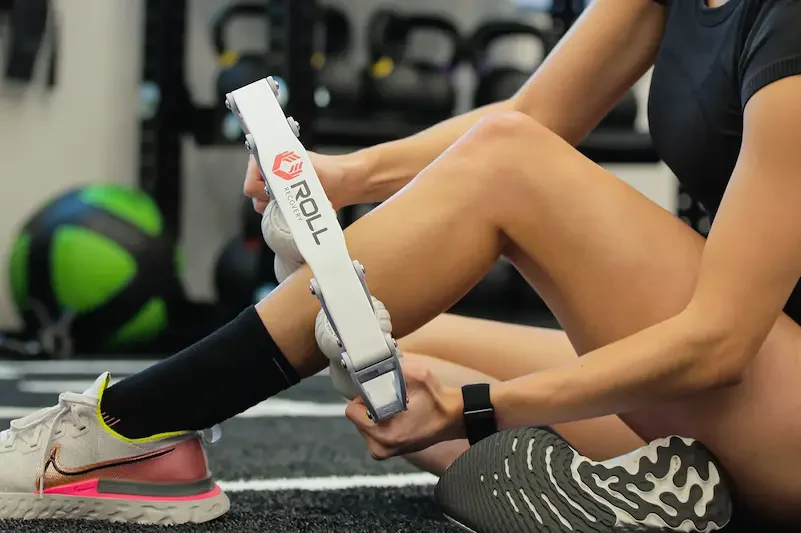
These small, portable tools target specific tight areas or knots like calves, glutes, shoulders, or feet that bigger tools might miss. Best for pinpointing tight spots and muscle knots. They provide focused pressure to relieve tension and improve blood flow. Apply gentle pressure at first and gradually increase as muscles adapt.
Percussion / Massage Guns
Massage guns deliver pulses to muscles to release deep tension, improve circulation, and accelerate recovery. Best for deep muscle tissue like thighs, back, calves, and large muscle groups after heavy workouts. They reach deeper layers of muscle tissue compared to foam rollers or manual tools. Use carefully with gentle pressure, avoid bones and joints, and don’t overuse.
Compression Gear (Sleeves, Socks, Compression Boots)
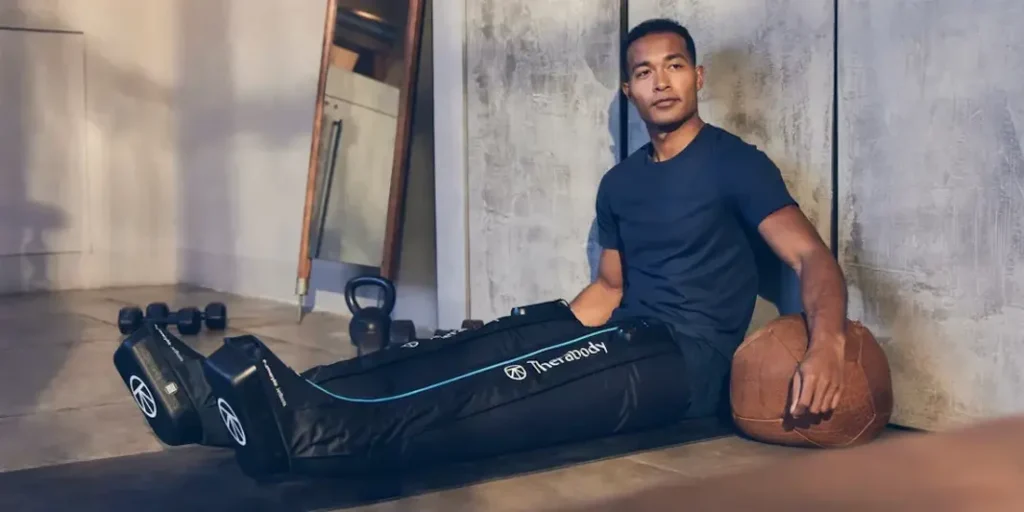
Compression tools improve circulation and support muscles during recovery, reducing swelling and speeding healing. Best for legs, arms, or joints that feel heavy, swollen, or fatigued. Compressing muscles helps flush out metabolic waste and reduces soreness. Choose gear that fits well — not too tight or loose — for comfort and benefit.
Cold Therapy Tools (Ice Packs, Cold Packs, Cold Baths)
Cold therapy helps reduce inflammation, swelling, and acute soreness, ideal after intense workouts. Best for recent soreness, inflammation, or post-workout recovery. Cold reduces inflammation and can soothe overworked muscles, helping them relax faster. Use cold therapy for short sessions (10–15 minutes), especially after tough workouts.
Heat Therapy Tools (Heating Pads, Warm Packs, Infrared Devices)
Heat therapy relaxes tight or stiff muscles, improves blood flow, and relieves tension. Best for stiff muscles, chronic soreness, or muscles that feel tight rather than inflamed. Heat increases circulation, relaxes muscles, and can help reduce stiffness and improve flexibility. Use moderate heat, especially on rest days or before stretching.
Stretching / Resistance Bands
Stretching bands or resistance bands are effective for mobility and flexibility, especially after workouts or long periods of inactivity. Best for improving flexibility, stretching tight muscles, and mobility work. They help lengthen muscles and maintain range of motion, supporting muscle health and preventing stiffness. Use them gently with slow, controlled stretches.
Optional / Advanced Home Recovery Tools
Advanced tools like vibrating foam rollers, full-body compression boots, EMS devices, or infrared therapy gear are for deeper recovery. Best for heavy training loads, frequent workouts, or faster recovery needs. These tools combine benefits like circulation, muscle stimulation, and deep relaxation. Start with basic tools first and use advanced tools only after understanding your body’s response. Home recovery tools
you may also like to read these posts;
Best Fitness Gadgets for Home to Maximize Your Workouts
Top Wearable Fitness Gadgets to Track Your Progress
Best Fitness Gadgets for Tracking Health and Progress
Best Fitness Gadgets 2026 to Upgrade Your Workouts
Top Fitness Gadgets for Workouts to Boost Performance
How to Choose the Right Home Recovery Tool
1. Identify Your Recovery Needs
Think about which muscles feel sore, tight, or overworked after workouts. Foam rollers and massage balls are great for general soreness, while percussion guns are better for deep tissue relief. Heat therapy is ideal for stiff muscles, and cold therapy works best for inflammation.
2. Consider Your Fitness Level
Beginners should start with simple, easy-to-use tools like foam rollers, massage balls, and resistance bands. Advanced tools like massage guns, recovery boots, or infrared devices can be added later as your recovery routine develops.
3. Match Tools to Your Goals
Decide what you want to achieve: reducing soreness, improving flexibility, preventing injuries, or speeding up recovery. Choose tools that align with your specific goals for the best results.
4. Budget and Space
Consider how much you’re willing to spend and the space available at home. Simple tools like foam rollers, balls, and bands are affordable and compact, while advanced devices may require more space and investment.
5. Portability and Convenience
If you want to use tools on the go or in small spaces, choose compact options like massage balls, bands, or small foam rollers. Larger devices like recovery boots or massage guns are better suited for home use.
6. Safety and Comfort
Use tools that are comfortable and safe. Adjustable intensity or pressure settings are helpful for beginners or sensitive muscles. Always follow proper instructions to avoid injury.
7. Recommendations and Reviews
Look for advice from experienced users, trainers, or physiotherapists. Reading reviews helps you select tools that are effective, durable, and suitable for your needs.
How to Use Home Recovery Tools Safely
1. Start Gently
Always begin with gentle pressure or low intensity, especially if you’re new to recovery tools. Gradually increase intensity as your muscles adapt.
2. Avoid Bones, Joints, and Injuries
Focus on muscles and soft tissue, not bones or joints. Avoid using tools on areas with injuries, bruises, or open wounds.
3. Limit Time per Muscle Group
Spend 5–15 minutes per muscle group, depending on soreness and comfort. Overusing tools can cause irritation or bruising.
4. Combine with Stretching and Mobility Work
Use recovery tools alongside gentle stretching or resistance band exercises to improve flexibility and maintain range of motion.
5. Stay Hydrated and Rest
Drinking water helps flush out toxins and supports muscle recovery. Ensure adequate rest between workouts for optimal results.
6. Follow Instructions
Read and follow manufacturer instructions, especially for advanced tools like massage guns or compression devices. Proper technique ensures safety and effectiveness.
7. Listen to Your Body
Stop using a tool immediately if you feel sharp pain, tingling, or discomfort. Recovery tools should relieve tension, not cause injury.
Extra Tips for Faster Recovery at Home
1. Stay Hydrated
Drinking enough water helps flush out toxins and supports muscle repair, reducing soreness and speeding recovery.
2. Eat a Balanced Diet
Include protein, healthy fats, and complex carbohydrates in your meals to provide the nutrients your muscles need to repair and grow.
3. Prioritize Sleep
Adequate sleep is essential for muscle recovery, hormone balance, and overall physical performance.
4. Incorporate Stretching and Cool-Downs
Stretching and gentle cool-down routines after workouts improve flexibility, prevent stiffness, and enhance blood flow.
5. Alternate Heat and Cold Therapy
Use cold therapy to reduce inflammation and heat therapy to relax stiff muscles. Alternating them can boost recovery and reduce soreness.
6. Maintain a Consistent Routine
Regular use of home recovery tools combined with hydration, nutrition, and rest ensures long-term benefits and better performance.
7. Listen to Your Body
Pay attention to your soreness and fatigue levels. Adjust recovery sessions based on how your muscles feel to avoid overuse or injury.
What are home recovery tools?
Home recovery tools are devices or equipment like foam rollers, massage balls, percussion guns, resistance bands, ice packs, and heating pads that help muscles recover after workouts.
How often should I use home recovery tools?
Most people can use recovery tools after every workout or at least 3–4 times per week. Start gently and adjust based on soreness and comfort.
Can home recovery tools replace stretching?
No. Recovery tools complement stretching. Tools release muscle tension, while stretching improves flexibility, mobility, and range of motion.
Do I need expensive tools to recover effectively at home?
Not necessarily. Affordable options like foam rollers, massage balls, resistance bands, and ice/heat packs are very effective. Advanced tools are optional.
Conclusion
Home recovery tools are essential for anyone looking to reduce muscle soreness, prevent injuries, and improve overall performance without leaving the house. Foam rollers, massage balls, percussion guns, resistance bands, and heat or cold therapy tools all help relax muscles, improve circulation, and speed up recovery. Choosing the right tools based on your goals, sore areas, and fitness level ensures maximum benefits. By using these tools consistently and combining them with hydration, proper nutrition, and rest, you can maintain a safe and effective recovery routine at home and enjoy better results from your workouts.