Muscle soreness after a workout is completely normal—but it can slow you down if you don’t recover properly. That’s where muscle recovery tools come in. These tools are designed to reduce tightness, improve blood flow, and help your muscles heal faster so you can feel better after every workout. Whether you’re a beginner just starting your fitness journey or an experienced athlete pushing your limits, using the right recovery tools can make a huge difference in your performance and overall comfort.
In this guide, we’ll explore the most effective muscle recovery tools, how they work, and how to choose the best ones for your needs. Let’s make recovery simple, quick, and effective!
What Are Muscle Recovery Tools?
Muscle recovery tools are devices or equipment designed to help your body recover after exercise. When you work out, your muscles experience small amounts of stress, which can lead to soreness, tightness, and fatigue. Recovery tools make this healing process faster and easier by improving blood flow, releasing tension, and reducing muscle pain.
These tools come in different forms—like foam rollers, massage guns, compression gear, and ice packs—but they all have the same main purpose:
to help your muscles relax, heal, and get ready for your next workout.
Whether you’re dealing with post-workout soreness or want to improve long-term performance, recovery tools are a simple and effective way to take care of your body.
Benefits of Using Muscle Recovery Tools

Muscle recovery tools do much more than relieve soreness—they help your body repair itself so you can stay consistent, avoid injuries, and perform at your best. Whether you’re a beginner or a professional athlete, these tools can improve your recovery routine in powerful ways.
1. Reduces Muscle Soreness (DOMS)
After tough workouts, many people experience delayed onset muscle soreness (DOMS), which usually appears 24–48 hours later. Muscle recovery tools help break up tight areas, relax overworked muscles, and reduce pain. This allows you to move more comfortably the next day.
2. Improves Blood Flow and Circulation
Better blood circulation means your muscles get more oxygen and nutrients, which supports faster healing. Tools like foam rollers, massage guns, and compression sleeves help stimulate blood flow, allowing your muscles to recover quicker and feel refreshed.
3. Releases Muscle Knots and Tension
Hard workouts can create knots or trigger points in your muscles. Tools such as massage balls or rollers help target these tight spots, releasing built-up tension and restoring normal muscle function.
4. Helps Prevent Injuries
When muscles become tight or imbalanced, the risk of strains, pulls, and other injuries increases. Recovery tools help keep your muscles flexible, relaxed, and balanced. This leads to safer workouts and fewer injuries over time.
5. Speeds Up Overall Recovery Time
Using recovery tools consistently helps reduce inflammation, improve tissue repair, and support quicker muscle recovery. This is especially helpful for people who train multiple times a week or have physically demanding routines.
6. Improves Flexibility and Mobility
Tools like resistance bands and foam rollers help stretch tight muscles and increase your range of motion. Better flexibility means smoother movements, better posture, and improved performance in workouts and daily activities.
7. Enhances Workout Performance
When your muscles recover well, they work better. With less soreness, more mobility, and stronger muscle function, you can lift more, run faster, and train longer. Good recovery leads to better training results.
8. Reduces Stress and Promotes Relaxation
Many recovery tools provide a massage-like feeling that helps relax both the body and mind. This can lower stress levels, improve sleep, and make your fitness routine more enjoyable.
9. Supports Long-Term Consistency
The better your body feels, the easier it is to stay consistent with workouts. Recovery tools help you avoid burnout, reduce aches, and maintain a regular training schedule without constantly feeling tired or sore.
Best Muscle Recovery Tools (Beginner-Friendly List)
Foam Roller
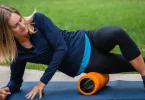
A foam roller is a classic and very effective tool for releasing muscle tightness. You can use it on your legs, back, hips, or shoulders to help loosen tight muscles and improve flexibility. Foam rollers are simple, affordable, and a great first tool if you’re new to recovery equipment.
Massage Gun (Percussion Massager)
A massage gun delivers fast, deep pulses that penetrate muscle tissue and help reduce soreness quickly. It’s especially useful when you want targeted relief for sore areas like calves, quads, or back muscles. If you train hard, a massage gun can make recovery faster and more comfortable.
Massage Balls / Trigger Point Balls
Massage balls are small but powerful tools for deep muscle work. They let you target specific “knots” or tension points — great for glutes, shoulders, feet, and hips. Because they’re compact and inexpensive, they’re ideal for beginners looking for deeper muscle release.
Resistance Bands / Stretching Bands
Resistance bands help you stretch muscles in a controlled way, improving flexibility and mobility. They’re useful for cooldowns or gentle stretching after workouts — especially for hamstrings, quads, hips, and shoulders. For someone just starting out, resistance bands are gentle, safe, and easy to use.
Cold Therapy Packs (Ice Packs)
Cold therapy helps reduce inflammation and swelling after intense workouts or minor injuries. Ice packs are handy if you feel a lot of muscle soreness or swelling — applying cold can calm down inflammation and speed recovery. They’re simple and effective tools that beginners can easily learn to use.
Heating Pad or Warm Pack
Heat therapy is excellent for relaxing tight muscles and increasing circulation. A heating pad or warm pack helps ease stiffness and soothes sore areas, especially useful for back, shoulders, or chronically tense muscles. Heat can be a relaxing component of your recovery routine — and very beginner-friendly. muscle recovery tools
Compression Sleeves or Compression Gear
Compression gear (like sleeves for legs or arms) supports tired muscles and improves blood flow. Wearing compression sleeves after workouts can help reduce muscle fatigue and speed up recovery — especially useful for runners or those doing heavy leg or arm work. Compression gear is easy to use and gentle on the body. muscle recovery tools
Recovery Boots (Advanced, Optional for Beginners Who Want More)
Recovery boots use air compression to help flush out lactic acid, improve circulation, and accelerate muscle recovery. While they can be expensive and more advanced, they’re useful for people training frequently or at high intensity. Beginners may wait until they’re more consistent, but recovery boots are a powerful tool for long-term recovery. muscle recovery tools
you may also like to read these posts;
Best Fitness Gadgets for Home to Maximize Your Workouts
Top Wearable Fitness Gadgets to Track Your Progress
Best Fitness Gadgets for Tracking Health and Progress
Best Fitness Gadgets 2026 to Upgrade Your Workouts
Top Fitness Gadgets for Workouts to Boost Performance
How to Choose the Right Muscle Recovery Tool

Consider Your Fitness Level and Experience
If you’re new to working out or recovery tools, start simple. Tools like foam rollers, massage balls, resistance bands, or ice/heat packs are easy to use and gentle on your body. As you get more experienced, you can explore advanced options like massage guns or compression gear. muscle recovery tools
Think About the Type of Workouts You Do
If you mostly run, cycle, or do cardio — tools that support recovery in legs (like foam roller or compression sleeves) may be most useful. If you lift weights or do strength training, recovery tools that target muscle knots and tightness (massage guns, balls, rolling) are ideal. Choose tools that match the areas you use most often. muscle recovery tools
Consider the Areas of Your Body That Need Recovery
Notice where you feel soreness or tension — is it legs, back, shoulders, or glutes? Choose a recovery tool that works well on those areas. For example, use foam roller or massage ball for tight hips/glutes; heat pad or compression sleeves for sore joints; massage gun for deep muscle knots. muscle recovery tools
Think About Ease of Use and Convenience
Some tools require little effort — foam rollers, bands, heat or cold packs are easy to use at home. Others (like recovery boots or advanced massage guns) might need setup or more investment. If you prefer convenience, go for tools that are easy to store and use. muscle recovery tools
Consider Your Budget
Muscle recovery tools vary in price. Affordable options like foam rollers, bands, or ice/heat packs are great for beginners. If you’re ready to invest more, massage guns or compression gear can be worth it — but they aren’t necessary to start recovery.
Your Recovery Goals
Are you trying to reduce simple soreness? Or recover fast from heavy workouts? If you want basic recovery, simple tools will do. If you train hard or frequently, more advanced tools might help speed up healing.muscle recovery tools
How Often You Train / Recover
If you work out occasionally, simpler and cheaper tools might suffice. If you train daily or intensely, investing in better tools (like compression gear, massage gun) can help with quicker, deeper recovery. muscle recovery tools
What is the best muscle recovery tool for beginners?
A foam roller is one of the best tools for beginners because it’s affordable, easy to use, and effective for reducing soreness and improving flexibility. Massage balls and stretching bands are also great beginner-friendly options.
How often should I use muscle recovery tools?
Most people can use recovery tools after every workout or at least 3–4 times a week. Tools like foam rollers and massage balls can be used daily, while massage guns should be used for short sessions to avoid overstimulation.
Can muscle recovery tools replace stretching?
No, recovery tools do not replace stretching. Instead, they work best when combined with stretching, hydration, and rest. Tools help loosen tight muscles, but stretching improves mobility and flexibility.
Are massage guns safe to use every day?
Yes, massage guns are generally safe for daily use if used properly and for short periods. Avoid pressing too hard or using them on joints, bones, or injured areas. Use gentle settings if you feel sensitive.
Conclusion
Muscle recovery tools make a big difference in how your body feels after a workout. Whether you use a foam roller, massage gun, compression gear, or simple heat and cold packs, each tool helps reduce soreness, improve flexibility, and speed up healing. Choosing the right recovery tool depends on your fitness level, workout style, and the areas where you feel the most tension. When used consistently, these tools can help you recover faster, train smarter, and stay injury-free. A good recovery routine isn’t just a bonus—it’s an essential part of reaching your fitness goals. Let your body rest, recover, and come back stronger.