



Strength training equipment is any tool or device that helps you build muscle, increase strength, and improve overall fitness. Using the right equipment makes workouts more effective, safer, and enjoyable. For beginners, starting with simple, easy-to-use tools can make it easier to learn proper form, gradually increase resistance, and stay motivated. From free weights and resistance bands to machines and bodyweight tools, the right equipment can help you achieve your fitness goals efficiently. This guide will help beginners understand the essential strength training equipment, how to choose the right tools, and tips for using them safely and effectively.
Types of Strength Training Equipment
1. Free Weights
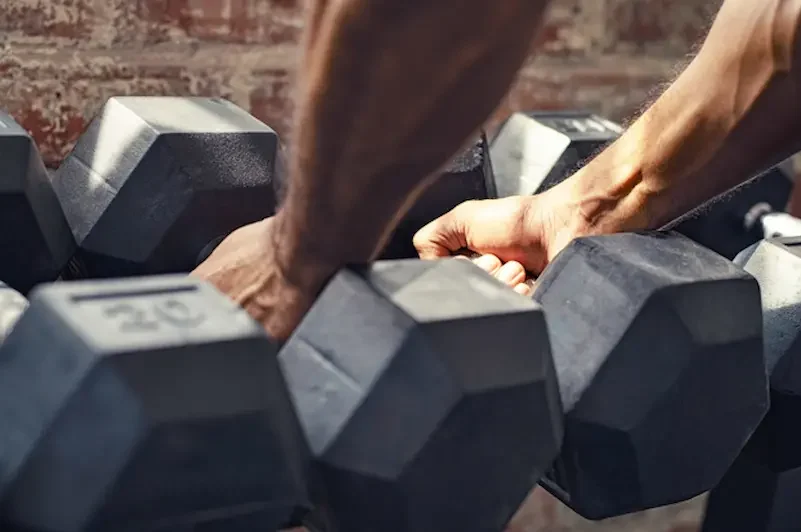
Free weights include dumbbells, barbells, and kettlebells. They are highly versatile and allow a wide range of exercises that target multiple muscle groups. Free weights improve strength, coordination, and balance because your body must stabilize the weight during each movement. Beginners can start with lighter weights and gradually increase as they gain confidence. Dumbbells are great for isolated exercises, while barbells are ideal for compound movements like squats and deadlifts. Kettlebells add dynamic movements that also improve endurance and functional strength.
2. Resistance Bands
Resistance bands are elastic bands that provide varying levels of resistance: light, medium, or heavy. They are portable, affordable, and perfect for home workouts or travel. Bands provide resistance throughout the entire movement, which helps build strength while improving flexibility and stability. They can be used for full-body workouts, including squats, rows, presses, and even assisted pull-ups. Beginners benefit from resistance bands because they are low-impact and easy to adjust according to strength levels.
3. Machines
Strength training machines include cable machines, leg press, chest press, lat pulldown, and more. Machines guide your movements, making them safer for beginners and reducing the risk of injury. They are excellent for isolating specific muscles and maintaining proper form. Machines are also helpful for progressive overload, allowing you to increase weight gradually. Beginners often start with machines to learn the correct range of motion before transitioning to free weights.
4. Bodyweight Tools
Bodyweight tools include pull-up bars, suspension trainers (like TRX), medicine balls, and sliders. These tools enhance functional strength, core stability, and overall body control. They are especially useful for home workouts, as they require minimal space and no heavy weights. Pull-up bars target the back and arms, suspension trainers engage multiple muscle groups, and medicine balls add variety to dynamic exercises like throws or twists.
5. Accessories
Accessories complement your main equipment and enhance comfort, safety, and exercise variety. Examples include weight benches, yoga mats, gloves, resistance loops, and stability balls. A weight bench allows you to perform presses and rows safely, while a stability ball engages your core during exercises. Gloves protect your hands and improve grip, and mats provide cushioning for floor exercises. Using the right accessories helps beginners get the most out of their strength training routine.
6. Combination Equipment
Some equipment combines multiple functions, such as adjustable dumbbells, home gyms, or multi-station machines. These are ideal for beginners who want versatility without purchasing multiple individual items. Combination equipment saves space, allows progression, and provides a variety of exercises in one setup.
7. Specialty Equipment
For those interested in advanced training, specialty equipment like weighted vests, sandbags, battle ropes, and resistance sleds can add intensity and variety. Beginners don’t need these initially but can consider them as they advance to increase challenge and functional strength.
Benefits of Using Strength Training Equipment

1. Provides Proper Resistance for Muscle Growth
Strength training equipment gives your muscles the resistance they need to grow stronger. Whether it’s free weights, resistance bands, or machines, consistent resistance challenges your muscles and promotes growth over time.
2. Improves Form and Safety
Using the right equipment helps beginners maintain proper form and reduces the risk of injury. Machines guide your movements, and tools like resistance bands allow controlled exercises, making workouts safer than using heavy weights without guidance.
3. Allows Progressive Overload
Progressive overload is essential for building strength. Equipment lets you gradually increase resistance or weight, ensuring your muscles are continually challenged, which leads to better results.
4. Adds Variety to Workouts
Different types of equipment allow you to perform a wide range of exercises. This variety prevents boredom, engages all major muscle groups, and helps you achieve a balanced, full-body workout.
5. Improves Balance, Stability, and Coordination
Free weights and bodyweight tools require your muscles to stabilize the body during exercises. This improves balance, coordination, and overall functional strength, which helps in daily activities.
6. Makes Workouts More Efficient
The right equipment allows you to target specific muscles effectively. For example, a cable machine can isolate muscles that are hard to train with bodyweight alone, making your workouts more productive.
7. Encourages Consistency
Having access to proper equipment, whether at home or in the gym, encourages consistent workouts. When exercises are safe, effective, and engaging, beginners are more likely to stick with their routine.
8. Supports Home Workouts
Resistance bands, dumbbells, and pull-up bars make it possible to do effective strength training at home. Beginners don’t need a gym membership to start building strength with the right tools.
9. Enhances Motivation
Using equipment allows measurable progress, such as lifting heavier weights or increasing resistance. Seeing improvements motivates beginners to continue their strength training journey.
you may also like to read these posts;
Best Fitness Gadgets for Home to Maximize Your Workouts
Top Wearable Fitness Gadgets to Track Your Progress
Best Fitness Gadgets for Tracking Health and Progress
Best Fitness Gadgets 2026 to Upgrade Your Workouts
Top Fitness Gadgets for Workouts to Boost Performance
Essential Equipment for Beginners
1. Dumbbells or Adjustable Dumbbells
Dumbbells are versatile and ideal for beginners. They allow you to perform exercises for all major muscle groups, including arms, chest, back, and legs. Adjustable dumbbells save space and let you increase weight gradually as you get stronger.
2. Resistance Bands
Resistance bands are affordable, portable, and perfect for home workouts. They provide variable resistance, making exercises easier or harder depending on the band’s tension. Beginners can use them for squats, rows, presses, and assisted pull-ups.
3. Pull-Up Bar
A pull-up bar is great for strengthening the back, arms, and core. It can be installed in a doorway or mounted on a wall. Beginners can start with assisted pull-ups using resistance bands until they build enough strength to do full pull-ups.
4. Stability Ball
Stability balls improve core strength, balance, and posture. They can be used for exercises like bridges, planks, or seated presses. Beginners benefit from stability balls because they engage multiple muscles and enhance overall control.
5. Weight Bench
A simple weight bench allows for safe execution of presses, rows, and step-ups. Adjustable benches provide incline and decline positions for more exercise variety. Beginners should start with a flat bench and progress to adjustable ones if desired.
6. Optional: Kettlebells
Kettlebells are excellent for dynamic movements like swings, deadlifts, and squats. They improve strength, endurance, and coordination. Beginners can start with a lighter kettlebell and gradually increase weight as their technique improves.
7. Optional: Medicine Balls
Medicine balls add variety to strength and core workouts. They can be used for slams, twists, or partner exercises. Beginners can use light medicine balls to focus on form and gradually increase weight for more resistance. strength training equipment
Tips for Beginners When Choosing Equipment
- Start simple: You don’t need everything at once. strength training equipment
- Focus on versatile tools like dumbbells and resistance bands. strength training equipment
- Consider space and budget before purchasing larger equipment. strength training equipment
- Ensure safety and quality when buying equipment. strength training equipment
How to Choose the Right Equipment
1. Define Your Fitness Goals
Before buying equipment, think about what you want to achieve. Are you aiming to build strength, improve endurance, tone muscles, or enhance functional fitness? Your goals will determine which equipment is most suitable. For example, dumbbells and resistance bands are versatile for full-body workouts, while a pull-up bar focuses on upper-body strength. strength training equipment
2. Consider Your Space
Assess how much room you have at home or in your workout area. Free weights and resistance bands require minimal space, while larger machines or multi-station home gyms need more room. Make sure you have enough space to move safely without obstruction. strength training equipment
3. Set a Budget
Strength training equipment ranges from inexpensive resistance bands to costly multi-station machines. Start with essential, versatile, and affordable items. You can gradually expand your collection as you progress. Adjustable dumbbells and resistance bands offer good value for beginners. strength training equipment
4. Check Quality and Durability
Invest in equipment that is well-made and durable. Poor-quality items can break easily and cause injury. Look for sturdy construction, non-slip grips, and materials that can withstand repeated use. Reading reviews can help identify reliable brands.
5. Prioritize Versatility
Choose equipment that allows multiple exercises. Dumbbells, resistance bands, and stability balls can be used for full-body workouts and multiple variations. Versatile equipment maximizes your results and prevents the need for excessive purchases.
6. Look for Safety Features
Ensure equipment is safe to use. Weight benches should be stable, resistance bands should be free of tears, and machines should have secure locking mechanisms. Safety is especially important for beginners to prevent injury. strength training equipment
7. Start Simple and Progress Gradually
Beginners don’t need all types of equipment at once. Start with a few essentials like dumbbells, resistance bands, and a pull-up bar. As strength and confidence grow, you can add more specialized tools to your routine. strength training equipment
Tips for Using Equipment Effectively
1. Learn Proper Form First
Before increasing weight or resistance, focus on mastering proper technique. Correct form ensures you target the right muscles, reduces the risk of injury, and improves workout efficiency. Use mirrors, videos, or guidance from a trainer if needed. strength training equipment
2. Warm Up Before Every Session
Warming up for 5–10 minutes prepares your muscles and joints for exercise. Light cardio, dynamic stretches, or bodyweight movements increase blood flow and reduce the risk of injury when using equipment. strength training equipment
3. Progress Gradually
Increase weight, resistance, or repetitions slowly. Beginners should start light to build confidence and avoid overloading muscles and joints. Gradual progression ensures consistent strength gains and prevents injury. strength training equipment
4. Mix Equipment for Full-Body Workouts
Combine free weights, resistance bands, and bodyweight tools to work all major muscle groups. Mixing equipment adds variety, prevents boredom, and ensures a balanced routine. strength training equipment
5. Focus on Controlled Movements
Avoid rushing through exercises. Slow, controlled movements maximize muscle engagement, improve stability, and enhance results. This is especially important for machines, dumbbells, and resistance bands. strength training equipment
6. Maintain Equipment Properly
Keep your equipment clean and in good condition. Wipe down mats, bands, and weights after use, check for tears or damage, and store items safely. Well-maintained equipment lasts longer and ensures safe workouts. strength training equipment
7. Listen to Your Body
Mild muscle soreness is normal, but sharp pain or discomfort is a warning. Adjust or stop exercises if you feel pain, and give your muscles time to recover before using the equipment again. strength training equipment
8. Stay Consistent
Regular use of your equipment is key to seeing results. Set a schedule that works for you, and make your workouts a habit to build strength and confidence over time. strength training equipment
Common Mistakes to Avoid
1. Using Equipment Incorrectly
Incorrect use of equipment can lead to poor results and injuries. Always learn the proper technique for each exercise and follow instructions carefully. Beginners should focus on form before increasing weight or resistance.
2. Lifting Too Heavy Too Soon
Starting with weights that are too heavy can strain muscles and joints. Begin with manageable resistance, gradually increasing it as your strength improves. This prevents injury and encourages steady progress.
3. Neglecting Major Muscle Groups
Focusing only on certain muscles, like arms or chest, can create imbalances. Ensure you train all major muscle groups, including legs, back, shoulders, arms, and core, for balanced strength.
4. Skipping Warm-Up and Cool-Down
Not warming up can increase injury risk, while skipping cool-downs can lead to stiffness and slower recovery. Always spend 5–10 minutes warming up and cooling down with stretches or light activity.
5. Ignoring Rest and Recovery
Muscles grow during rest, not during workouts. Avoid exercising the same muscle group on consecutive days and allow 24–48 hours of recovery. Overtraining can lead to fatigue, soreness, and injury.
6. Not Maintaining Equipment
Using damaged or worn-out equipment can be unsafe. Regularly inspect, clean, and maintain your tools to ensure they remain safe and effective for your workouts.
7. Focusing Only on Weight or Reps
Progress is not just about lifting heavier or doing more reps. Pay attention to proper form, controlled movements, and engaging the right muscles for effective results.
8. Being Inconsistent
Irregular workouts slow progress. Stick to a routine and make strength training a regular habit to see steady improvements over time.
Do I need equipment to start strength training?
No, you can start with bodyweight exercises like squats, push-ups, lunges, and planks. Equipment helps add resistance, variety, and progression but is not required initially.
Can I train effectively with only resistance bands?
Yes. Resistance bands are versatile and can target all major muscle groups. They are portable, safe, and ideal for beginners or home workouts.
How much space do I need for home workouts?
Basic equipment like dumbbells, resistance bands, or a pull-up bar requires minimal space. A small area of 4–6 feet is often enough for most exercises.
Are machines better than free weights for beginners?
Machines guide your movements, which can be safer for beginners and help with proper form. Free weights are more versatile and improve balance and coordination. Combining both is ideal.
Conclusion
Strength training equipment is an excellent way to build strength, improve muscle tone, and enhance overall fitness. For beginners, starting with basic tools like dumbbells, resistance bands, a pull-up bar, and a stability ball is enough to perform effective, full-body workouts safely. Choosing the right equipment, focusing on proper form, and progressing gradually are key to seeing results. By avoiding common mistakes, maintaining your equipment, and staying consistent, beginners can enjoy safe, efficient, and enjoyable strength training that supports long-term health and fitness goals.
