



Endurance training tools are devices, equipment, and accessories designed to help athletes and fitness enthusiasts improve stamina, performance, and recovery. Whether you are a runner, cyclist, swimmer, or someone who enjoys long cardio sessions, the right tools can make a big difference in training efficiency and results. These tools help track your progress, monitor your body’s response, and support effective workouts while reducing the risk of injury. From heart rate monitors and GPS watches to strength and recovery equipment, endurance training tools ensure that every workout is safer, more productive, and more enjoyable.
Benefits of Using Endurance Training Tools
Endurance training tools are designed to improve the quality, safety, and effectiveness of your workouts. Whether you are training for running, cycling, swimming, or general fitness, using the right tools offers numerous benefits:
Improves Stamina and Endurance
Endurance tools such as treadmills, rowing machines, cycling trainers, and resistance bands help build cardiovascular fitness and muscular endurance. Regular use trains your body to sustain activity for longer periods, improving your overall stamina and performance in both training and competitions.
Enhances Training Efficiency
Tools like heart rate monitors and GPS watches allow you to track pace, intensity, and distance. This data helps you structure workouts efficiently, stay within your optimal training zones, and prevent overtraining. By training smarter, you can achieve better results in less time.
Tracks Progress and Performance
Fitness trackers and smart devices provide real-time data, such as speed, heart rate, cadence, and calories burned. Tracking progress over weeks and months helps you set realistic goals, measure improvements, and adjust your training plan to maximize results.
Reduces Risk of Injury
Proper endurance training tools help protect your body from strain. Strength training equipment builds muscle support for joints, while recovery tools like foam rollers, massage sticks, and stretching aids reduce soreness and improve flexibility. Consistent use minimizes the risk of overuse injuries common in endurance sports.
Supports Recovery and Muscle Health
Recovery is a key part of endurance training. Tools like massage guns, compression sleeves, and foam rollers enhance circulation, reduce muscle tightness, and accelerate recovery. Proper recovery allows you to train more consistently and improves overall performance.
Boosts Motivation and Accountability
Using endurance training tools can make workouts more engaging and rewarding. Tracking progress with apps or devices shows tangible results, which increases motivation. Having structured tools and feedback helps you stay accountable and committed to your training plan.
Improves Technique and Efficiency
Certain tools, such as cycling trainers, rowing machines, and treadmill sensors, allow you to focus on proper form and technique. Correct form reduces energy waste, improves efficiency, and ensures that each movement contributes effectively to building endurance.
Customizes Training to Your Needs
Endurance training tools allow you to personalize workouts based on fitness level, goals, and sport. For example, interval programs on treadmills or cycling trainers can be adjusted to match your performance goals, helping you train precisely and effectively.
Helps Maintain Consistency
With tools that track your workouts and progress, it becomes easier to stay consistent. Consistency is critical for endurance training because gradual, steady improvement leads to better results and long-term fitness.
Enhances Mental Focus
Many endurance tools, especially those with performance tracking, help you focus mentally on your goals. Seeing progress data or achieving milestones during training can boost confidence and keep you motivated to push through challenging sessions.
Using endurance training tools not only makes workouts safer and more efficient but also enhances performance, recovery, and motivation. They are valuable for beginners and advanced athletes alike, helping you achieve your endurance goals faster and with greater consistency.
you may also like to read these posts;
Best Fitness Gadgets for Home to Maximize Your Workouts
Top Wearable Fitness Gadgets to Track Your Progress
Best Fitness Gadgets for Tracking Health and Progress
Best Fitness Gadgets 2026 to Upgrade Your Workouts
Top Fitness Gadgets for Workouts to Boost Performance
How to Choose the Right Endurance Training Tools
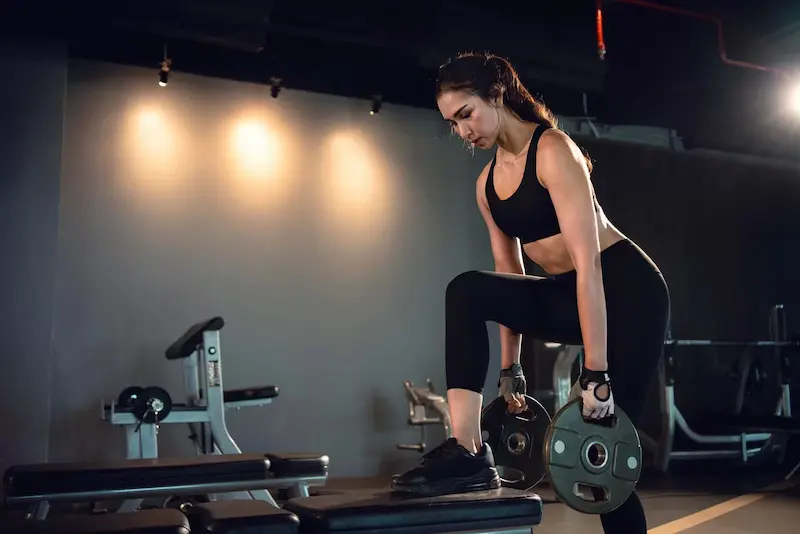
Choosing the right tools for endurance training isn’t just about buying the most expensive or popular gear — it’s about matching the tools to your goals, space, budget, and training style. Here are key factors to consider:
1. Define Your Fitness Goals and Training Type
- First, be clear about what you want to achieve: do you aim for endurance running, cycling, cardio health, strength + endurance balance, or general fitness?
- Choose tools that support your specific goals: e.g. heart‑rate monitors and GPS watches for tracking cardio progress, or resistance bands and strength tools if you need muscular endurance and injury prevention.
2. Consider Your Current Fitness Level
- If you’re a beginner, start with simple, versatile tools — things like resistance bands, bodyweight tools, or basic cardio (jump rope, treadmill, stationary bike). These are easier to use and less risky than advanced machines.
- As your fitness improves, you can upgrade to more specialized or intensive tools (e.g. cardio machines, advanced trackers, structured training devices).
3. Evaluate Quality, Durability, and Safety
- Look for tools made with sturdy materials, strong construction, and safety features. Poorly made gear can break, wear out quickly, or even cause injury. New Fitness Health+2True Fitness+2
- For machines (treadmills, stationary bikes, rowing machines, etc.), check that their weight limits, ergonomics (seat/handle adjustments), and mechanical stability suit your needs. Sunny Health & Fitness+2Acme PHs+2
- If possible, check reviews or user feedback about longevity — see if other users report rust, breakage, or performance loss over time. Gym Dwelling+1
4. Account for Space and Storage Availability
- The physical space you have will influence which tools you can use. Large machines need more room and stable flooring; compact tools like resistance bands or foldable equipment suit smaller spaces. Minimalist Focus+2Equip Fitness+2
- If you have limited space, prioritize versatile or portable equipment — e.g. resistance bands, adjustable dumbbells, compact cardio tools, or foldable machines. Garner Fitness Supplies UAE+2Equip Fitness+2
5. Focus on Versatility and Adaptability
- Good endurance training tools should ideally support multiple functions or exercises. For example, resistance bands can help with strength, flexibility, and rehab; a cardio machine might allow interval training or steady-state workouts. Force USA+1
- As your training evolves, you may need to adjust resistance, intensity or type of workouts — choose tools that allow this flexibility (e.g. adjustable resistance, multiple workout modes, scalable difficulty).
6. Match Tools to Your Training Environment and Lifestyle
- If you train mostly at home, choose tools suitable for home use: compact, quieter machines, minimal maintenance, and safe for indoor spaces. Minimalist Focus+2True Fitness+2
- If you train outdoors or travel, portable equipment (bands, jump ropes, compact monitors) or wearable tools might be more practical.
7. Balance Budget and Value
- High-end equipment can be tempting, but focus first on essentials — items that deliver the most value for performance and longevity. Many mid-range tools offer good quality at reasonable cost. Meerut Gym+2New Fitness Health+2
- Think long-term: investing in quality gear can save money over time because durable equipment lasts longer and doesn’t need frequent replacement. True Fitness+2New Fitness Health+2
8. Check for After-Sales Support and Maintenance Requirements
- For machines and complex gear, check manufacturer warranty, availability of spare parts, and ease of maintenance. Good support can extend the life of your equipment and prevent sudden breakdowns. True Fitness+1
- For simpler gear (bands, rollers, mats), check build quality, materials, and whether replacement parts or extras (like interchangeable resistance levels) are available.
9. Prioritize Tools That Help Track Progress and Data (If Relevant)
- If your goal is improving endurance, tools that track heart rate, distance, pace, or workload can help you monitor progress and adjust training intelligently. Studies show heart‑rate–based tools help gauge endurance adaptively. PMC+1
- Wearable devices, GPS watches, and fitness trackers are especially useful if you want data-driven training plans or to measure improvement over time.
10. Start Simple, Evaluate, Then Expand
- Rather than buying many tools at once, start with a few essentials suited to your goals and budget. As you understand your needs and training habits better, gradually add more specialized tools.
- This approach reduces risk of spending on equipment you won’t use and helps you build a setup tailored to your actual needs.
Essential Endurance Training Tools
When you start endurance training — whether for running, cycling, cardio fitness, or general stamina building — having the right tools can make a big difference. The tools below cover different aspects: monitoring, cardio conditioning, strength/endurance building, and recovery.
Heart Rate Monitor (HRM) / Wearable Fitness Tracker
A heart rate monitor helps you track your heart rate in real time or record it for later analysis. Polar Electro is one well-known example in this category. Wikipedia+1
Using HRMs lets you train with proper intensity so you stay in the optimal heart‑rate zone for endurance, avoid overtraining, and measure your cardiovascular response during workouts. PMC+1
GPS Watch or Fitness Watch
A watch or fitness tracker with GPS (or similar tracking) helps log distance, pace, time, and route for runs, cycles, or outdoor cardio sessions. These devices support data logging, route tracking, and many also sync with sensors for cadence, speed, or heart rate. Wikipedia+1
This data helps you monitor progress over weeks/months, compare sessions, and plan training logically rather than guessing — a key advantage for consistent endurance development.
Cardio Machines / Ergometer Equipment
If you prefer indoor training or want variety, cardio machines such as a stationary bike, rowing machine, or elliptical provide controlled, joint‑friendly endurance workouts. fitnessexpostores.com+2focusfit.co.id+2
For example, a rower engages many major muscle groups and boosts both cardiovascular endurance and muscular strength. atletica.de+1
These machines are especially helpful when outdoor training isn’t possible — they allow you to maintain or build endurance regardless of weather or schedule.
Resistance Bands and Strength/Functional Tools
Strength and muscular endurance are important for overall stamina and injury prevention. Tools such as resistance bands, light weights, or body‑weight training gear help you build muscle endurance, improve joint stability, and support better posture and performance in long-duration cardio or sport sessions. fitness-medical.com+1
Recovery Tools (Foam Roller, Stretching Aids, Mobility Tools)
Recovery is essential when you train for endurance. Tools like foam rollers, stretching aids, or mobility equipment help reduce muscle tightness and soreness, improve flexibility, and support faster recovery between sessions. fitness-medical.com+1
Consistent recovery helps avoid overuse injuries and keeps you ready for your next workout.
Hydration & Nutrition Essentials
Endurance training puts extra demand on your body’s hydration and fuel needs. A reusable water bottle, a hydration pack or easy‑access hydration gear, and appropriate nutrition (energy snacks, recovery drinks) are simple — but essential — tools to maintain energy and performance during longer workouts. Fit Cars Gear+1
Versatile Cardio‑Strength Machines (Optional but Valuable)
For more advanced or cross‑training‑focused endurance work, machines such as rowing machines, bike-ergometers, or elliptical trainers offer a blend of cardio and muscular endurance training. These provide a full-body workout and help build endurance without excessive impact on joints. Wikipedia+2eosfitness.com+2
Top Brands for Endurance Training Tools
Garmin
Garmin is one of the most popular names when it comes to endurance‑tracking tools, especially GPS watches and fitness trackers. Their devices — including models from the Forerunner series — help track distance, speed, pace, heart rate, and more. Wikipedia+1
These tools are very useful for runners, cyclists, and endurance athletes who want to monitor progress, manage training intensity, and analyze performance over time.
Polar Electro (Polar)
Polar was a pioneer in heart‑rate monitoring technology and remains a strong brand for reliable HR monitors and training devices. Wikipedia+1
Their devices are particularly good for those who want accurate heart‑rate data, training zones tracking, and efficient recovery monitoring — essential for endurance training that balances load and rest.
Suunto
Suunto offers durable multisport watches and training devices suited for various activities: running, cycling, hiking, and more. Wikipedia+1
If your endurance training involves varied environments or cross‑training, Suunto devices are a solid choice thanks to their outdoor‑ready features and versatility.
Wahoo Fitness
Wahoo specializes in cycling and indoor‑training tools, including indoor trainers, sensors, and cycling computers. Wikipedia
Their equipment is great for cyclists and triathletes, especially for structured indoor workouts, power‑based training, and controlled training sessions when outdoor training isn’t an option. endurance training tools
Concept2
If you prefer indoor cardio or want a low‑impact, full-body endurance option, Concept2 is highly regarded for their rowing machines (ergometers), SkiErg, and stationary bike‑erg units. Wikipedia
These machines are often used by athletes who want to build cardiovascular and muscular endurance without over-stressing joints — ideal when weather or schedule limits outdoor training. endurance training tools
Brands for Strength, Recovery & Versatile Training
For strength training, mobility, and recovery — all important parts of an endurance plan — there are reliable brands that make equipment like resistance bands, foam rollers, and home‑gym gear. endurance training tools
While there are many, some of the bestselling and trusted ones appear in lists of top fitness equipment providers. WodGuru+1
Tips to Maximize Training Effectiveness
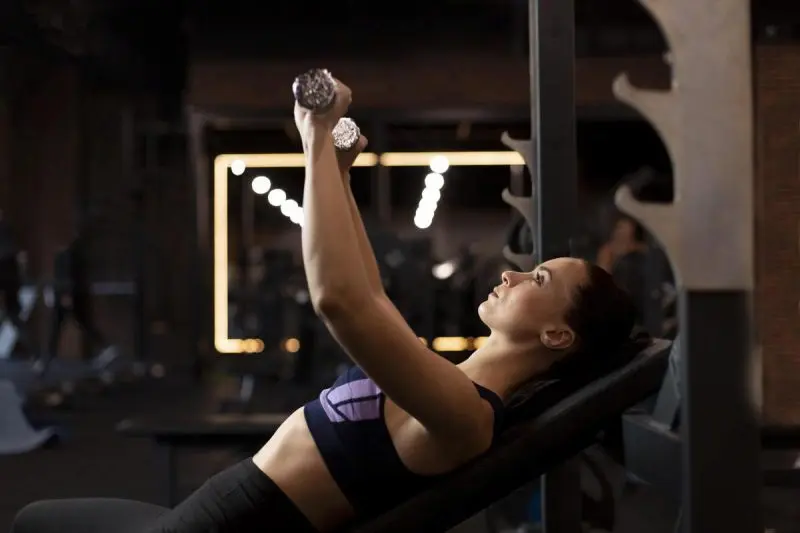
Using endurance training tools is only part of improving performance. How you use them and structure your workouts makes a big difference. Here are practical tips to get the most out of your training:
1. Set Clear Goals
Define what you want to achieve — build stamina, run longer distances, improve cycling speed, or increase overall fitness. Clear goals help you choose the right tools and design training sessions that are focused and measurable. endurance training tools
2. Follow a Structured Training Plan
Consistency is key in endurance training. Use structured plans that include long steady sessions, interval training, and rest days. Structured plans prevent overtraining while improving aerobic capacity and muscular endurance.endurance training tools
3. Monitor Progress Regularly
Track your workouts using heart rate monitors, GPS watches, or fitness apps. Monitoring metrics such as distance, pace, heart rate, or calories burned helps you identify improvements, adjust intensity, and stay motivated. endurance training tools
4. Mix Cardio and Strength Training
Endurance isn’t just about cardio. Incorporating strength exercises with resistance bands, dumbbells, or bodyweight moves improves muscle endurance, joint stability, and overall efficiency during long workouts. endurance training tools
5. Focus on Recovery
Recovery is crucial for maximizing results. Use foam rollers, massage tools, or stretching routines to reduce soreness and improve flexibility. Adequate sleep, hydration, and proper nutrition also enhance recovery. endurance training tools
6. Maintain Proper Nutrition and Hydration
Fuel your body appropriately before, during, and after training. Carbohydrates provide energy, proteins aid muscle recovery, and electrolytes help replace lost salts. Proper nutrition and hydration keep energy levels stable and support consistent training. endurance training tools
7. Use Tools Correctly and Consistently
Learn to use your endurance tools properly — whether it’s wearing a heart rate monitor correctly, setting treadmill programs appropriately, or using a rowing machine with correct form. Consistent and correct usage ensures accurate data and prevents injury. endurance training tools
8. Gradually Increase Intensity
Avoid sudden jumps in duration or intensity. Gradually increasing distance, resistance, or speed allows your body to adapt and reduces the risk of overtraining or injury. endurance training tools
9. Incorporate Mental Training
Endurance training is as much mental as physical. Use visualization, goal setting, and positive reinforcement techniques to stay motivated during long or challenging workouts. endurance training tools
10. Adjust Training Based on Feedback
Use the data from your tools and how your body feels to adjust training. If you notice fatigue, slow recovery, or decreased performance, reduce intensity or focus on recovery. Listening to your body ensures long-term progress. endurance training tools
Applying these tips along with the right endurance training tools helps you train smarter, recover faster, and achieve your performance goals more efficiently.
What are the most essential endurance training tools for beginners?
For beginners, essential tools include a heart rate monitor, basic fitness tracker or GPS watch, resistance bands, a foam roller, and proper hydration tools. These cover monitoring, strength, recovery, and energy needs.
Do I really need a heart rate monitor?
While not mandatory, a heart rate monitor helps you train in the correct intensity zones, avoid overtraining, and track progress effectively. It’s particularly helpful for building cardiovascular endurance.
Can I do endurance training at home without machines?
Yes. Bodyweight exercises, resistance bands, jump ropes, and outdoor running or cycling can all provide effective endurance training. Recovery tools and hydration gear are also important for home workouts.
How often should I replace my endurance training tools?
Replace tools based on wear and tear. Heart rate monitors and GPS watches may last several years if maintained properly. Foam rollers, bands, and hydration packs should be replaced when damaged, worn out, or no longer effective.
Conclusion
Endurance training tools are essential for improving performance, tracking progress, and supporting recovery in any long-duration workout. From heart rate monitors and GPS watches to resistance bands, cardio machines, and recovery aids, the right tools help you train smarter, stay consistent, and reduce the risk of injury. Choosing equipment that matches your goals, fitness level, and training environment ensures you get the most value and effectiveness from every session. By combining proper tools with structured training, balanced nutrition, and consistent recovery, you can maximize your endurance, achieve better results, and enjoy a safer, more productive training experience.
