



Strength training is a type of exercise that helps you build muscle, increase strength, and improve overall health. It’s not just for athletes or people who go to the gym every day—beginners can start safely with simple exercises at home or with light equipment. Following a structured strength training routine helps you stay consistent, prevent injuries, and see results faster. In addition to building strength, it improves posture, boosts energy, supports weight management, and makes everyday activities easier. This guide will show beginners how to start strength training safely, effectively, and confidently. strength training for beginners
What Is Strength Training? (Basics Explained Simply)
Strength training is a type of exercise that makes your muscles stronger by working against resistance. This resistance can come from your own body weight, dumbbells, resistance bands, or gym machines. When you perform exercises like squats, push-ups, or rows, your muscles work harder than usual, which creates small tears in the muscle fibers. As these fibers repair, your muscles grow stronger and more toned.
There are several types of strength training, including bodyweight exercises, free weights, resistance bands, and machines. You don’t need heavy weights to start; beginners can see great results with simple movements done correctly. Strength training not only builds muscles but also improves posture, boosts metabolism, strengthens bones, and makes daily activities easier.
Benefits of Strength Training for Beginners
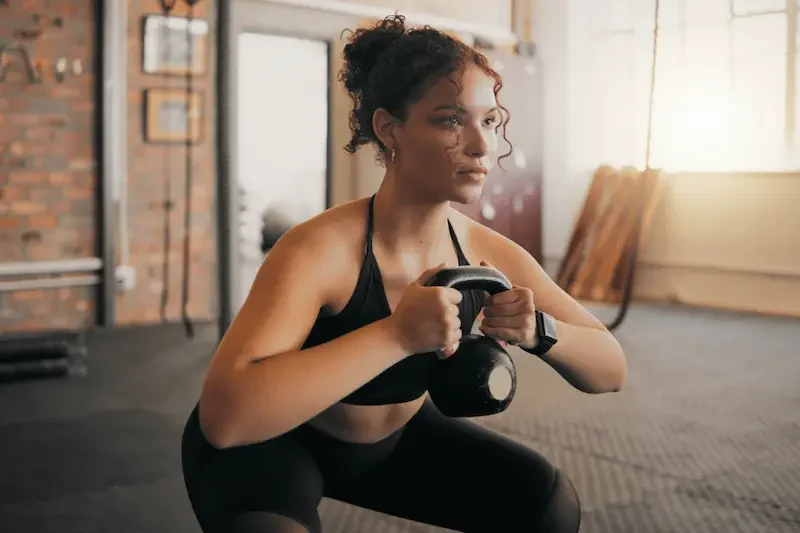
1. Builds Muscle and Strength
Strength training helps beginners increase muscle mass and overall strength. This makes everyday activities like lifting groceries, carrying children, or climbing stairs easier. Over time, you’ll notice improved endurance, better muscle tone, and increased physical power.
2. Supports Weight Management and Boosts Metabolism
Muscle tissue burns more calories than fat, even when at rest. Regular strength training helps boost your metabolism, supporting weight management and fat loss. When combined with a balanced diet, it can help you achieve a leaner, healthier body.
3. Improves Posture and Balance
Strengthening your core, back, and leg muscles improves posture and stability. Good posture reduces the risk of back pain, prevents slouching, and enhances your overall body alignment. Better balance also decreases the likelihood of falls and injuries.
4. Strengthens Bones and Joints
Resistance exercises increase bone density and strengthen joints, which lowers the risk of osteoporosis and arthritis. Stronger bones and joints support mobility and help maintain independence as you age.
5. Enhances Energy Levels and Mental Well-Being
Regular strength training releases endorphins, natural chemicals that boost mood and reduce stress. Many beginners report higher energy levels, improved focus, and reduced feelings of fatigue after starting a routine.
6. Improves Daily Life Performance
A structured strength routine improves your ability to perform daily tasks safely and efficiently. Lifting, bending, pushing, and carrying items become easier, reducing strain on your body and lowering the risk of injury.
7. Supports Long-Term Health and Longevity
Consistent strength training helps maintain muscle mass as you age, improves heart and joint health, and enhances overall functional fitness. This contributes to a longer, healthier, and more active life.
8. Boosts Confidence and Motivation
Tracking progress and seeing improvements in strength, endurance, and body composition boosts self-confidence. Developing a routine also fosters discipline and a sense of achievement, motivating beginners to continue their fitness journey.
9. Prevents Injuries
Stronger muscles, joints, and bones provide better support during everyday movements and physical activities. Proper strength training reduces the risk of strains, sprains, and falls, keeping you safer in daily life.
10. Encourages Healthy Lifestyle Habits
Beginners who commit to strength training often adopt other healthy habits, such as eating balanced meals, staying hydrated, and prioritizing sleep. This holistic approach improves overall well-being.
you may also like to read these posts;
Best Fitness Gadgets for Home to Maximize Your Workouts
Top Wearable Fitness Gadgets to Track Your Progress
Best Fitness Gadgets for Tracking Health and Progress
Best Fitness Gadgets 2026 to Upgrade Your Workouts
Top Fitness Gadgets for Workouts to Boost Performance
Essential Beginner-Friendly Strength Training Exercises
1. Squats
Squats are one of the best exercises for building lower-body strength. They target your quads, glutes, hamstrings, and core. Stand with feet shoulder-width apart, lower your hips as if sitting on a chair, and push through your heels to stand back up. Start with bodyweight squats and add dumbbells as you progress.
2. Lunges
Lunges strengthen the legs and glutes while improving balance. Step forward with one leg, lowering your hips until both knees are at about 90 degrees, then push back to the starting position. Alternate legs for each rep. Reverse lunges or walking lunges can be added as you gain confidence.
3. Push-Ups
Push-ups work the chest, shoulders, triceps, and core. Beginners can start with knee push-ups, wall push-ups, or incline push-ups on a sturdy surface. Keep your body straight, lower yourself slowly, and push back up using your arms and chest muscles.
4. Planks
Planks strengthen the core, shoulders, and back while improving stability. Start by holding a plank for 15–20 seconds, keeping your body straight from head to heels. Gradually increase the duration as your core strength improves.
5. Glute Bridges
Glute bridges target the glutes, hamstrings, and lower back. Lie on your back with knees bent and feet flat on the floor. Lift your hips toward the ceiling, squeeze your glutes at the top, then lower slowly. This exercise is excellent for hip stability and posture.
6. Dumbbell Rows
Dumbbell rows strengthen the upper back, shoulders, and arms. Use light dumbbells or household items. Hinge slightly at the hips with a straight back, pull the weight toward your waist, then lower it slowly. Perform equal reps on both arms.
7. Shoulder Press
The shoulder press builds strength in the shoulders and upper arms. Use dumbbells or resistance bands. Press the weights overhead slowly, then lower them back down with control. This exercise also helps with lifting and reaching movements in daily life.
8. Bicep Curls
Bicep curls strengthen the arms. Use dumbbells, resistance bands, or household items like water bottles. Move slowly, focus on contracting the biceps, and avoid swinging your arms.
9. Tricep Dips
Tricep dips target the back of the arms. Use a sturdy chair or low table, lower your body slowly, and push back up using your triceps. Beginners can start with small ranges of motion.
10. Step-Ups
Step-ups improve leg strength, balance, and coordination. Use a sturdy step or bench, step up with one leg, push through your heel, then step back down. Alternate legs for each repetition.
11. Dead Bugs
Dead bugs are a safe and effective core exercise. Lie on your back with arms extended toward the ceiling and legs bent at 90 degrees. Slowly lower the opposite arm and leg toward the floor while keeping your lower back pressed into the ground. Alternate sides.
12. Superman Exercise
The superman exercise strengthens the lower back, glutes, and shoulders. Lie on your stomach, lift your arms and legs slightly off the ground, hold for a few seconds, and lower gently.
Sample Beginner Strength Training Routine (3–5 Days a Week)
3-Day Full-Body Routine
Day 1: Full Body
Squats – 3 sets of 10–12 reps
Push-Ups (or knee push-ups) – 3 sets of 8–10 reps
Dumbbell Rows – 3 sets of 10 reps per arm
Glute Bridges – 3 sets of 12–15 reps
Plank – Hold 20–30 seconds
Day 2: Rest or Light Activity
Take a walk, stretch, or do gentle yoga
Day 3: Full Body
Lunges – 3 sets of 10 reps per leg
Shoulder Press – 3 sets of 10 reps
Bicep Curls – 3 sets of 12 reps
Dead Bugs – 3 sets of 10 reps per side
Side Plank – Hold 15–20 seconds per side
Day 4: Rest or Light Activity
Day 5: Full Body
Step-Ups – 3 sets of 12 reps per leg
Tricep Dips – 3 sets of 8–10 reps
Superman Exercise – 3 sets of 10–12 reps
Bodyweight Squats or Goblet Squats – 3 sets of 12 reps
Plank – Hold 25–30 seconds
Days 6–7: Rest or Light Activity
Use these days for recovery, stretching, or light cardio
Optional 5-Day Upper-Lower Split Routine
Day 1: Upper Body
Push-Ups – 3 sets of 10 reps
Dumbbell Rows – 3 sets of 10 reps
Shoulder Press – 3 sets of 10 reps
Bicep Curls – 3 sets of 12 reps
Tricep Dips – 3 sets of 8–10 reps
Day 2: Lower Body
Squats – 3 sets of 12 reps strength training for beginners
Lunges – 3 sets of 10 reps per leg strength training for beginners
Glute Bridges – 3 sets of 12–15 reps strength training for beginners
Step-Ups – 3 sets of 12 reps per leg strength training for beginners
Calf Raises – 3 sets of 15 reps strength training for beginners
Day 3: Rest or Active Recovery
Day 4: Upper Body
Push-Ups or Incline Push-Ups – 3 sets of 10–12 reps
Dumbbell Rows – 3 sets of 10 reps per arm
Shoulder Press – 3 sets of 10 reps
Bicep Curls – 3 sets of 12 reps
Plank – Hold 20–30 seconds
Day 5: Lower Body + Core
Squats or Goblet Squats – 3 sets of 12 reps strength training for beginners
Lunges – 3 sets of 10 reps per leg strength training for beginners
Dead Bugs – 3 sets of 10 reps per side strength training for beginners
Glute Bridges – 3 sets of 12–15 reps strength training for beginners
Side Plank – Hold 15–20 seconds per side strength training for beginners
Days 6–7: Rest or Light Activity
Stretching, walking, or gentle yoga for recovery
Tips for Beginners
Warm up for 5–10 minutes before every session strength training for beginners
Cool down and stretch after workouts strength training for beginners
Focus on proper form over heavy weights strength training for beginners
Gradually increase weights, reps, or sets as you get stronger
Track your progress to stay motivated strength training for beginners
Tips for Beginners to Get the Best Results

1. Warm Up Before Every Workout
Spend 5–10 minutes doing light cardio or dynamic stretches to prepare your muscles and joints, reduce the risk of injury, and improve performance. strength training for beginners
2. Focus on Proper Form
Correct technique is more important than heavy weights. Proper form ensures muscles are targeted effectively and reduces strain on joints. Use mirrors or videos to check your posture. strength training for beginners
3. Start Slow and Progress Gradually
Begin with light weights or bodyweight exercises. Increase resistance, sets, or reps gradually as your strength improves to avoid overtraining or injury. strength training for beginners
4. Train All Major Muscle Groups
Include exercises for legs, glutes, back, chest, shoulders, arms, and core. Balanced training prevents muscle imbalances and supports overall strength and posture. strength training for beginners
5. Include Rest and Recovery Days
Muscles grow stronger during rest, not while exercising. Allow at least 24–48 hours before training the same muscle group again. Recovery reduces fatigue and lowers the risk of injury. strength training for beginners
6. Track Your Progress
Keep a log of exercises, sets, reps, and weights. Tracking your progress motivates you and helps adjust your routine for continuous improvement. strength training for beginners
7. Stay Consistent
Consistency is key. Even short, regular workouts are more effective than long, irregular sessions. Aim for 3–4 sessions per week and make them a habit.strength training for beginners
8. Eat a Balanced Diet and Stay Hydrated
Protein supports muscle repair, carbs provide energy, and healthy fats support overall health. Drink plenty of water before, during, and after workouts to maintain performance and recovery. strength training for beginners
9. Mix Up Your Exercises
Vary exercises, rep ranges, or equipment to challenge muscles differently. Variety prevents plateaus, keeps workouts interesting, and engages all muscle groups. strength training for beginners
10. Listen to Your Body
Mild soreness is normal, but sharp pain is a warning. Modify or stop exercises if you feel discomfort to prevent injuries and allow proper recovery. strength training for beginners
11. Set Realistic Goals
Define short-term and long-term goals, like increasing reps, lifting heavier weights, or mastering a new exercise. Clear goals keep you motivated and focused. strength training for beginners
12. Be Patient
Strength gains take time. Celebrate small improvements and stay committed to your routine. Patience and consistency are essential for long-term success. strength training for beginners
How long does it take to see results from strength training?
Beginners usually notice increased strength within 3–4 weeks. Visible changes in muscle tone and body shape may take 6–8 weeks with consistent workouts and proper nutrition.
Do I need equipment to start strength training?
No. You can start with bodyweight exercises like squats, push-ups, lunges, and planks. Light dumbbells, resistance bands, or household items can be added as you progress.
How many days per week should I train?
For beginners, 3–4 days per week is ideal. This allows muscles to recover between sessions while providing enough stimulus to build strength.
Can strength training help with weight loss?
Yes. Building muscle increases metabolism, which helps burn more calories even at rest. Combined with a healthy diet, strength training supports fat loss and overall fitness.
Conclusion
Strength training is one of the most effective ways for beginners to build muscle, increase strength, and improve overall health. By following a structured routine, focusing on proper form, and gradually increasing intensity, beginners can see noticeable results safely and efficiently. Consistency, rest, and a balanced diet are essential for maximizing benefits. Avoid common mistakes, stay motivated, and remember that progress takes time. With patience and dedication, strength training can help you feel stronger, healthier, and more confident every day.
